Navigating the Future of User Experience: Trends Shaping Digital Design in 2024

Post by:
Paul Blizniuk
In the ever-evolving landscape of digital design, staying ahead of the curve is paramount. As user expectations continue to evolve, digital marketers and designers must embrace emerging trends to create engaging and immersive experiences. In this comprehensive guide, we'll explore the latest trends shaping digital design in 2024 and how they're revolutionizing user experience (UX) strategies.
Embracing the Dark Side: The Rise of Dark Mode
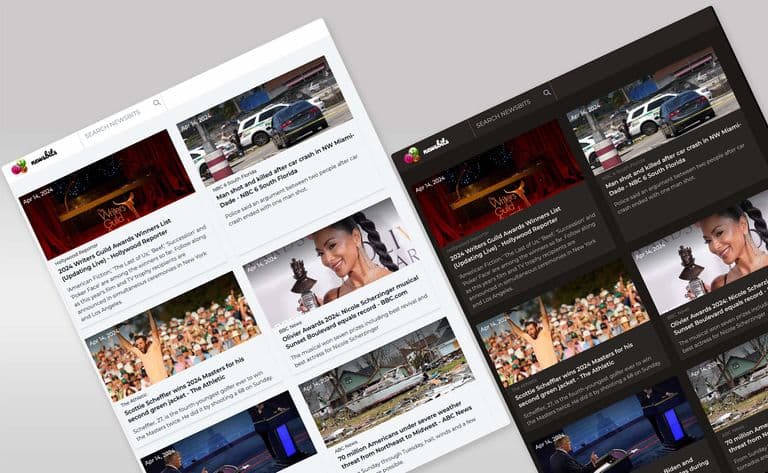
Dark mode has emerged as a dominant trend in digital design, offering users a sleek and modern alternative to traditional light interfaces. Its popularity stems from its ability to reduce eye strain, conserve battery life on OLED screens, and provide a visually immersive experience. Digital marketers are leveraging dark mode to enhance brand aesthetics and cater to user preferences for customization.
Clean and minimalist design approaches continue to dominate UI/UX, emphasizing simplicity, clarity, and functionality. By reducing clutter, using ample white space, and focusing on essential elements, interfaces become more intuitive and visually appealing.
Delighting Users with Microinteractions
Microinteractions, those subtle animations or feedback loops that enhance user engagement, are becoming increasingly prevalent in digital design. From button hover effects to loading animations, these small details make the user experience more intuitive and enjoyable. By incorporating microinteractions into their designs, digital marketers can create memorable and delightful experiences that keep users coming back for more.
Voice User Interfaces: A Hands-Free Future
With the rise of voice assistants like Siri and Alexa, voice user interfaces (VUI) are gaining momentum in digital design. Offering voice-activated commands and responses can provide a hands-free and convenient experience for users, especially in situations where manual interaction is impractical or unsafe. Digital marketers are exploring ways to integrate VUI into applications and websites to enhance accessibility and streamline user interactions.
Less is More: Minimalism and Simplicity in UI/UX
Clean and minimalist design approaches continue to dominate UI/UX, emphasizing simplicity, clarity, and functionality. By reducing clutter, using ample white space, and focusing on essential elements, interfaces become more intuitive and visually appealing. Digital marketers are embracing minimalism to create user-friendly experiences that prioritize content and functionality without sacrificing aesthetics.
Mobile-First Design: Designing for the Mobile-Driven World
As mobile usage continues to soar, designing experiences for mobile devices first has become essential. This approach ensures that interfaces are optimized for smaller screens while maintaining functionality on larger devices. Digital marketers are prioritizing mobile-first design to meet the needs of an increasingly mobile-driven audience and deliver seamless experiences across devices.
Immersive Experiences with AR and VR
Augmented Reality (AR) and Virtual Reality (VR) technologies offer exciting possibilities for digital design, allowing users to interact with virtual environments in immersive ways. Designing user interfaces that seamlessly integrate with these technologies is expected to gain more traction in the coming years, offering brands new opportunities to engage and captivate audiences.
Navigating Gesture-Based Navigation
With the proliferation of bezel-less and button-less devices, gesture-based navigation has become increasingly popular. Users can navigate through applications using swipe gestures, taps, or other intuitive interactions, enhancing usability and fluidity. Digital marketers are incorporating gesture-based navigation into their designs to create intuitive and seamless user experiences that cater to modern device interfaces.
Personalization and Data-Driven Design
Tailoring user experiences based on individual preferences and behaviors has become a cornerstone of digital marketing strategies. Leveraging data and personalization techniques to provide customized content, recommendations, and interfaces fosters a deeper connection with users and drives engagement. Digital marketers are embracing data-driven design to deliver personalized experiences that resonate with users on a personal level.
Conclusion
As we look to the future of digital design, it's clear that user experience will continue to be a driving force in shaping the digital landscape. By embracing these trends and integrating them into their strategies, digital marketers can create engaging and immersive experiences that captivate audiences and drive business success in 2024 and beyond.